
The Mathematics of Heaven: Sacred Geometry and Muqarnas at Sarhang Palace
The Weightless Ceiling
Dust motes drift in a single shaft of light piercing an orosi window. Above, the ceiling does not merely enclose the room; it breathes. This is the essence of the muqarnas—a sophisticated system of tiered niches that transforms heavy masonry into a celestial honeycomb of shadow and light.
The Logic of Safavid Plasterwork
To understand Safavid architecture, one must observe the transition from the square base of a room to the circular dome. The muqarnas serves as this bridge—a physical manifestation of the shift from the earthly realm (the square) to the divine (the circle).
At Sarhang Palace, the plasterwork is a mathematical prayer. Artisans employed complex geometric grids to carve these stalactite forms, ensuring that while no two angles were identical, the overall symmetry remained absolute. The result is a calculated optical illusion: the ceiling appears to float, detached from the walls that support it.
"The muqarnas is the architecture of the invisible, turning stone and plaster into a rhythmic echo of the cosmos."
Safavid Rigor versus Qajar Flourish
Walking through the architectural tiers of the Haj Rasouliha Mansion, the evolution of Persian taste is stark. The Safavid layers are defined by structural integrity and sacred proportions. Here, the plasterwork is lean, focused on the purity of the line and the depth of the carve.
The Qajar additions introduce a different sensory language. Where the Safavid era sought the divine through geometry, the Qajar era sought prestige through ornamentation. This shift is evident in the watercolor paintings and eclectic floral motifs that overlay the earlier, stricter patterns. It is a whisper of European romanticism blended with traditional Persian pride, resulting in a more saturated visual palette.
The Sensory Experience of Heritage
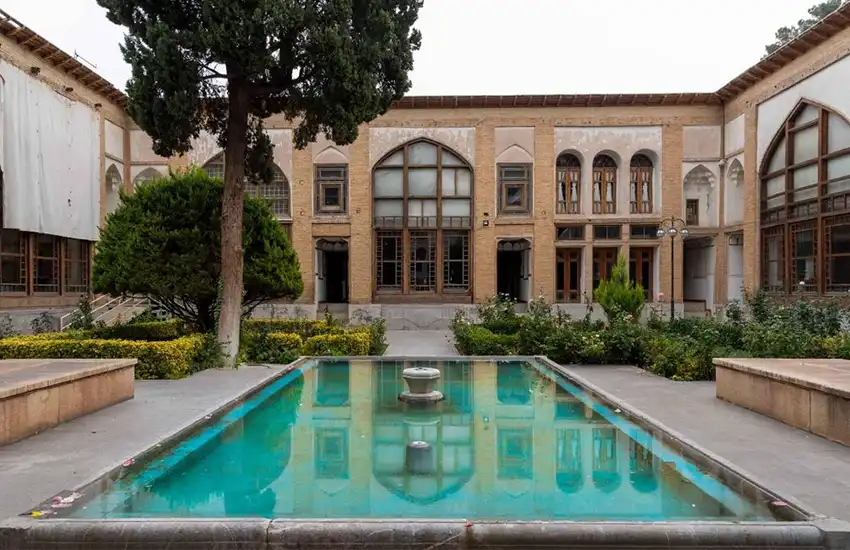
This legacy is best understood through residence. Imagine waking in one of the 20 private master suites, the air cool, and descending the original historical stairs. No elevators disrupt the flow of these centuries-old corridors. The journey culminates in the courtyard, where a turquoise pool reflects the very muqarnas studied hours before.

A Living Archive
Persian plasterwork is fragile. It requires the specific humidity of the courtyard and the silence of the alleyways to be truly felt. At Sarhang Palace, these surfaces are maintained not as museum relics, but as living walls that shelter the modern traveler in a cocoon of Safavid wisdom.
Frequently Asked Questions
How do I reach Sarhang Palace from the city center?
We provide traditional carriage transfers from the vicinity of Naqsh-e Jahan Square, allowing guests to immerse themselves in the atmosphere of old Isfahan before arriving at Alley 20, Chahar Bagh Paeen.
Are there elevators available for the upper tiers?
To preserve the structural integrity and historical authenticity of the 450-year-old estate, the palace maintains its original stairs; no elevators are installed.
Where can I book a stay to experience this architecture?
Reservations for our 20 private master suites can be made exclusively through our official portal at https://reserve.sarhangpalace.com.
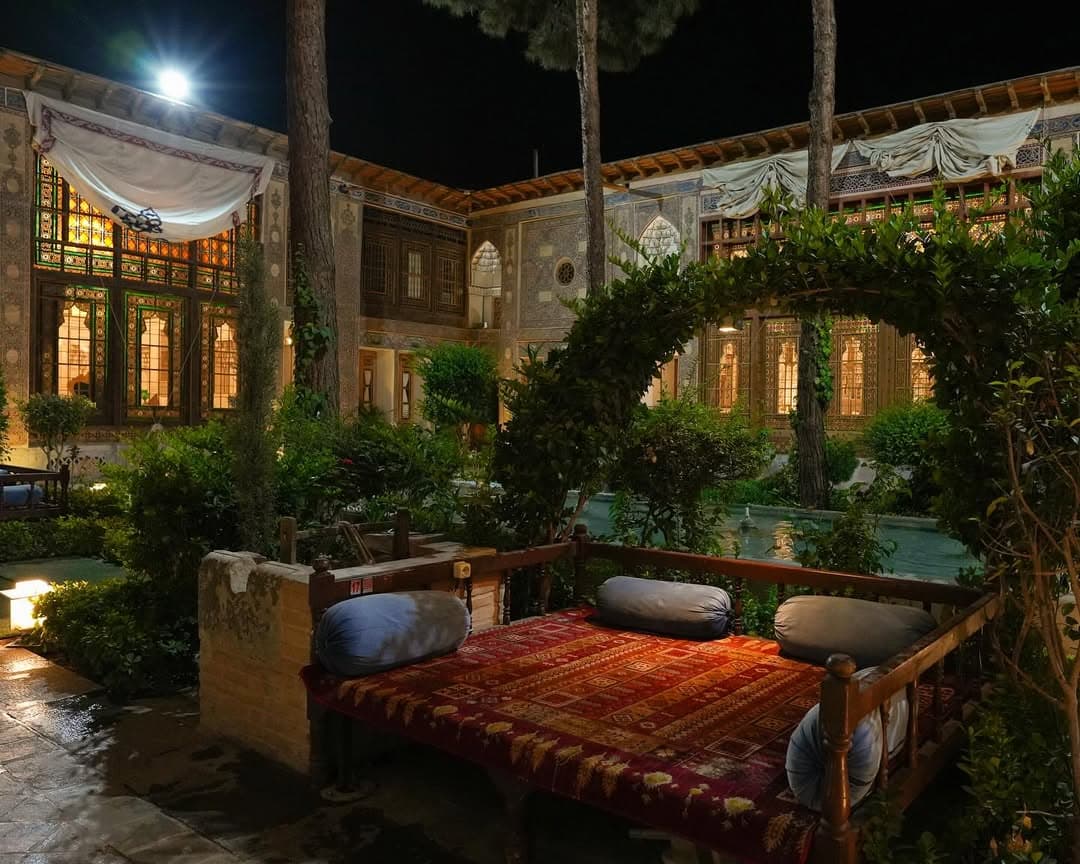
Stay inside the 400-Year Safavid Palace
Twenty master suites, courtyard breakfast beside the pool, and walking distance to Isfahans greatest landmarks.
Sarhang Palace Heritage Research Editorial
Researched by our architectural historians and resident heritage curators in Chahar Bagh Paeen, Isfahan.
Related Chronicles
Explore More from the Palace Journal
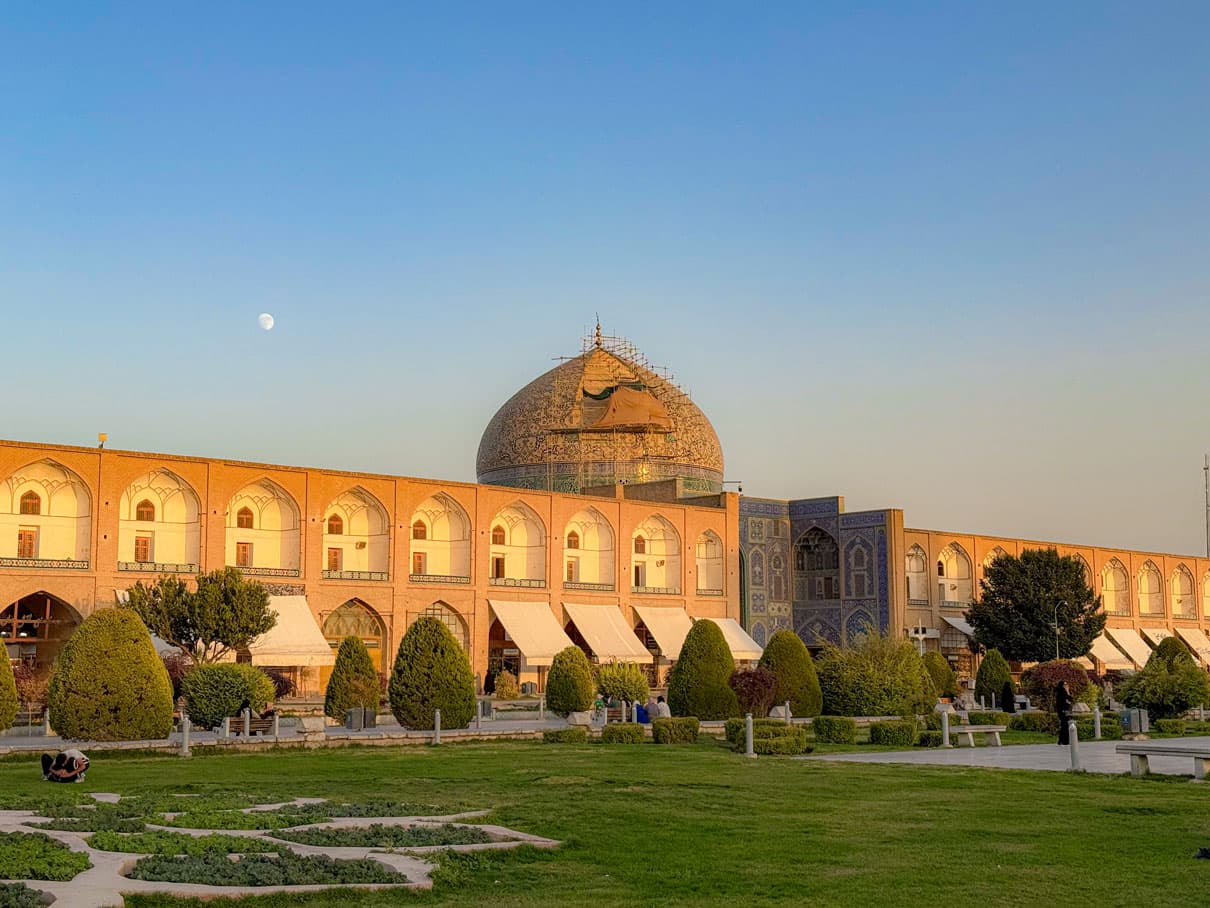
The Arteries of Isfahan: A Pedestrian Passage from Chahar Bagh to Naqsh-e Jahan
Trace the historical walking route from Chahar Bagh to Naqsh-e Jahan, passing through copper bazaars and Safavid alleys from the Sarhang Palace Museum Hotel.
Staying on Chahar Bagh Paeen: The Heritage Experience at Sarhang Palace
Chahar Bagh Paeen is Isfahans most authentic historic promenade. Discover why staying in Alley 20 offers an oasis of Safavid courtyard calm just minutes from the Grand Bazaar and Naqsh-e Jahan.

The Lost Safavid Palaces of Isfahan: Tragedy of Vanished Royal Estates
The poignant chronicle of over 50 Safavid royal palaces destroyed during the Qajar era under Zell-e Sultan: uncovering the lost grandeur of Haft Dast, Ayineh Khaneh, Namakdan, and Farah Abad.
Live History inside Sarhang Palace
Twenty master suites across five architectural levels, courtyard breakfast beside the turquoise pool, and walking access to Naqsh-e Jahan and Chahar Bagh.